Best KS2 Grammar Resources for UK Schools: 2026 Guide
What if the hours spent marking SPaG worksheets were actually the least effective part of your teaching week? It's a question many educators face as they watch pupils struggle to recall complex rules just months after a dedicated unit. You likely recognize the pattern: a high-intensity lesson on subordinate clauses feels successful, yet the knowledge fails to transfer into independent writing or the final SATs papers. For schools with a high percentage of EAL learners, this gap often widens, leaving some children behind as the curriculum marches forward

Best KS2 Grammar Resources for UK Schools: 2026 Guide
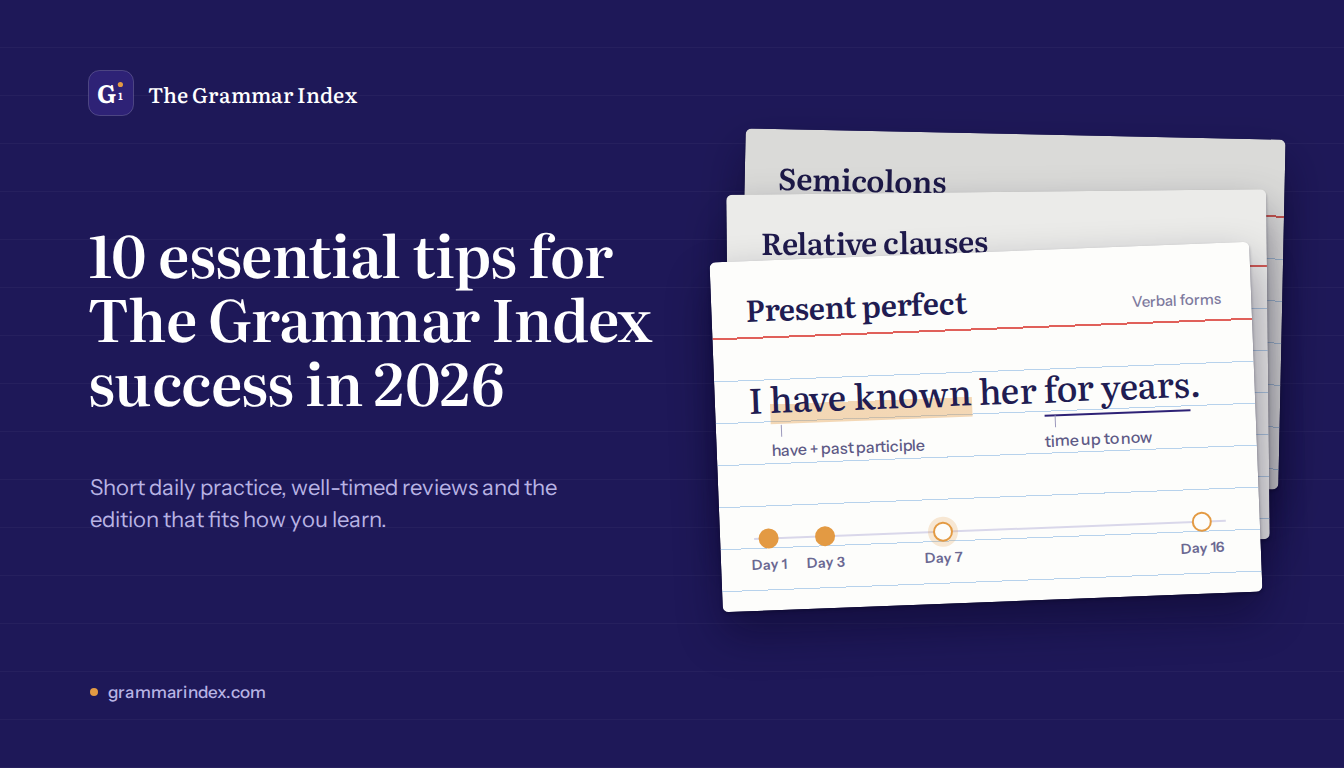
What if the hours spent marking SPaG worksheets were actually the least effective part of your teaching week? It's a question many educators face as they watch pupils struggle to recall complex rules just months after a dedicated unit. You likely recognize the pattern: a high-intensity lesson on subordinate clauses feels successful, yet the knowledge fails to transfer into independent writing or the final SATs papers. For schools with a high percentage of EAL learners, this gap often widens, leaving some children behind as the curriculum marches forward.
This 2026 guide is designed to solve these systemic challenges by identifying the best KS2 grammar resources for schools. We'll move beyond "filler" activities to focus on tools that utilize spaced repetition and adaptive learning to ensure mastery. You'll discover how to implement a structured approach that reduces your marking burden while providing a clear, data-driven path for progress across Year 3 to Year 6. We'll explore digital platforms that integrate with your existing systems and traditional methods that foster a genuine love for linguistic precision.
Key Takeaways
- Understand why moving beyond traditional "print-and-distribute" models is essential for converting complex grammar rules into long-term memory.
- Discover how to select the best KS2 grammar resources for schools by focusing on pedagogical foundations like spaced repetition and active recall.
- Learn a systematic two-step process to audit your current SPaG provision and successfully integrate digital tools with Microsoft Teams or Google Classroom.
- Explore how multilingual support in 34 languages can empower EAL students to master the National Curriculum alongside their native-speaking peers.
- Identify the specific strengths and limitations of printable worksheets versus interactive digital platforms to optimize your classroom's learning ecosystem.
Table of Contents
- The Evolution of KS2 SPaG: Moving Beyond Traditional Worksheets
- Essential Criteria for Selecting Effective Grammar Resources
- Comparing the Best KS2 Grammar Resource Categories
- Implementing Digital Grammar Tools Within the UK National Curriculum
- The Grammar Index: A Comprehensive Solution for Modern KS2 Classrooms
The Evolution of KS2 SPaG: Moving Beyond Traditional Worksheets
The primary classroom has undergone a significant transformation over the last decade. While photocopied packs were once the standard for teaching literacy, they're increasingly seen as insufficient for the demands of a modern cohort. Within Key Stage 2, the reliance on a "print-and-distribute" model often leads to a surface-level understanding that fails to translate into fluid, creative writing. This static approach doesn't account for the varied paces at which children learn, nor does it provide the dynamic interaction needed to master the English language.
Traditional grammar instruction often treats rules as isolated facts to be memorized for a test. This method is fundamentally flawed because it ignores how the human brain retains linguistic structures. In 2026, the search for effective KS2 grammar resources for schools is driven by a need for systematic, retrieval-based learning. Educators now recognize that rote memorization is a fragile foundation; children need to understand the "why" behind the rules to apply them correctly in their own compositions.
The Problem with Passive Grammar Learning
Watching a video or filling in a single word in a sentence doesn't constitute mastery. These passive activities lack the cognitive challenge required to move information from short-term to long-term memory. This leads to the "forgetting curve," a phenomenon where pupils lose a vast majority of new knowledge if it isn't revisited through active recall. For Year 6 teachers, this creates an exhausting cycle of re-teaching basic concepts during SATs preparation. There's also a significant hidden cost in teacher workload, as marking hundreds of manual SPaG exercises leaves little time for the personalized feedback that truly drives progress.
Defining "High-Impact" Resources in 2026
High-impact resources are characterized by their ability to foster genuine linguistic independence. They move beyond simple drills to offer a "blended learning" experience that supports the teacher's expertise with technological precision. When evaluating KS2 grammar resources for schools, look for tools that provide immediate feedback. This allows students to correct misconceptions the moment they occur, which is far more effective than receiving a marked worksheet days later. Modern solutions, such as The Grammar Index Key Stage 2 & 3 Edition, offer a structured path that includes:
- Spaced repetition: Regularly revisiting topics to ensure rules are permanently embedded in the long-term memory.
- Multilingual support: Providing translations for EAL students so they can access the National Curriculum without language barriers.
- Progress tracking: Giving teachers a clear, systematic view of where every student stands across Year 3 to Year 6.
Essential Criteria for Selecting Effective Grammar Resources
Selecting the right KS2 grammar resources for schools involves more than just finding engaging activities; it requires a rigorous assessment of pedagogical depth. A resource might look visually appealing, but if it lacks a structured progression, it won't yield the long-term results needed for Year 6 success. The foundation of any selection should be a direct alignment with the UK National Curriculum for English, ensuring that every statutory requirement from Year 3 through to Year 6 is covered with precision. This alignment ensures that teachers aren't searching for supplementary materials to fill curriculum gaps mid-term.
The Role of Spaced Repetition in Primary Grammar
Spaced repetition is a methodical learning technique where grammar concepts are revisited at increasing intervals to move information from temporary memory into permanent cognitive storage. Systematic drills outperform sporadic revision because they respect the brain's natural forgetting cycle. Instead of a single "grammar week," high-impact resources integrate these rules into the weekly routine. This ensures that when pupils reach their final assessments, the rules for modal verbs or relative clauses are second nature rather than half-remembered facts. For young learners, these short, frequent bursts of practice are far more effective than long, infrequent sessions.
Inclusivity and EAL Support Requirements
Monolingual resources often disadvantage the approximately 1 in 5 students in UK schools who speak English as an additional language. For these learners, a grammar rule explained only in English can be a double barrier. Effective tools provide multilingual references, allowing children to understand the logic of a rule in their first language before applying it in English. This inclusive approach, combined with SEND accessibility standards like high-contrast modes and screen-reader compatibility, ensures that no child is excluded from linguistic mastery. It's about removing the friction that prevents a student from engaging with the content.
Monitoring class-wide SPaG progress shouldn't be a manual burden for the teaching staff. Modern resources should offer automated data dashboards that highlight specific gaps in understanding across different year groups. This allows for targeted intervention, saving teachers hours of manual analysis and marking. If you're looking for a system that combines these pedagogical strengths with effortless tracking, exploring the Key Stage 2 & 3 Edition can provide a clear, systematic roadmap for your school's literacy strategy.
Comparing the Best KS2 Grammar Resource Categories
Categorizing the vast array of available materials helps school leaders make informed budgetary and pedagogical decisions. While the market is saturated with options, the most effective KS2 grammar resources for schools generally fall into four distinct tiers. Printable worksheets remain a staple for developing fine motor skills and handwriting, which are essential for the written components of the English curriculum. However, these resources are notoriously high-maintenance, requiring significant printing budgets and hours of manual marking. Interactive games offer a contrasting experience by providing high student engagement; unfortunately, they often prioritize entertainment over the rigorous pedagogical depth needed for linguistic mastery.
Video-based lessons serve as a useful tool for initial conceptual explanations, such as a teacher demonstrating the use of the passive voice. The limitation here is the passive nature of the medium; without immediate, active practice, the information rarely moves into long-term memory. Comprehensive digital platforms have emerged as the definitive "all-in-one" solution for 2026. These systems integrate explanation, systematic practice, and automated assessment into a single, cohesive ecosystem that supports both the teacher and the learner.
Traditional Workbooks vs. Digital Grammar Drills
Handwriting remains a statutory requirement, making physical workbooks valuable for final drafting and composition exercises. Digital grammar drills, conversely, excel at building the underlying rule mastery through rapid, repeated exposure and immediate feedback. When we look at retention rates, the combination of physical writing and digital retrieval practice creates the strongest cognitive foundation. A cost-benefit analysis often reveals that while software licensing involves an upfront fee, it drastically reduces the recurring expenditure on paper, ink, and the staff time required for manual data entry. It's often more efficient to use digital tools for the "heavy lifting" of rule acquisition while reserving workbooks for creative application.
Marketplace Hubs vs. Curriculum-Aligned Platforms
Many schools fall into the trap of "resource hunting" on general teacher marketplaces, where the quality and alignment of individual files can vary wildly. This fragmented approach often results in a collection of disconnected activities that lack a structured learning path. A curriculum-aligned platform acts as a methodical mentor by providing an organized index that saves hours of planning time. For a broader context on how modern technology supports diverse classrooms, you can explore The Ultimate Multilingual English Learning Tool to see how global innovation is being applied to the UK National Curriculum. Choosing a structured system ensures that your KS2 grammar resources for schools provide a consistent, reliable journey from Year 3 through to the final Year 6 assessments.

Implementing Digital Grammar Tools Within the UK National Curriculum
Successful integration of KS2 grammar resources for schools begins with a clear, strategic roadmap. It's not enough to simply provide a login; the tool must become a seamless part of the weekly timetable to deliver measurable results. The first step involves a comprehensive audit of your current SPaG provision across Year 3 to Year 6. Identify where the gaps in retention are most prominent and which year groups require the most support. Once you've identified these needs, you can move to the technical synchronization of your KS2 grammar resources for schools.
The second step is to sync your chosen digital platform with your school's Virtual Learning Environment (VLE). Most modern systems allow you to assign specific topics directly to student feeds, ensuring that pupils know exactly what is expected of them without navigating complex menus. Third, establish a "10-minute daily sprint" habit. These short, high-intensity sessions build the retrieval muscles needed for long-term mastery. Finally, use the automated data dashboards to identify and target specific gaps, allowing for surgical precision in your teaching.
VLE Integration: Google Classroom and Microsoft Teams
Integrating your grammar tools with Google Classroom or Microsoft Teams is a critical differentiator for 2026. By utilizing Single Sign-On (SSO), you remove the login friction that often derails homework and remote learning assignments for younger pupils. Teachers can assign a unit on relative clauses or modal verbs directly through the VLE, which then automatically updates the student's progress within the index. This streamlined workflow ensures that grammar practice feels like a natural extension of the school day rather than an isolated task.
Data-Driven SATs Preparation
As Year 6 pupils approach their final assessments, the focus shifts toward simulating the SPaG Paper 1 environment. Automated quizzes can replicate the pressure and format of the actual tests, providing pupils with the familiarity they need to succeed. These tools are invaluable for identifying "red-flag" topics, such as the subjunctive form or the correct placement of fronted adverbials, which often prove challenging under exam conditions. By analyzing the software reports, you can create personalized intervention groups to address these specific weaknesses. To see how this data-driven approach can transform your results, you can explore our Key Stage 2 & 3 Edition today.
The Grammar Index: A Comprehensive Solution for Modern KS2 Classrooms
The Key Stage 2 & 3 Edition of The Grammar Index represents a significant shift in how educational institutions approach literacy. It serves as a definitive digital reference, moving beyond the fragmented nature of traditional worksheets to provide a cohesive learning ecosystem. With over 300 topics meticulously organized by the National Curriculum framework, it ensures that every statutory requirement is met with precision. When evaluating the landscape of KS2 grammar resources for schools, the ability to scale high-quality instruction across all year groups is a critical factor for success. Our institutional licensing model makes this possible, allowing schools to maintain a consistent pedagogical approach from Year 3 through to the final Year 6 assessments.
Empowering EAL Students with Multilingual References
One of the most significant challenges in diverse UK classrooms is ensuring that students who speak English as an additional language can access complex curriculum content. Standard monolingual resources often create a double barrier; students must learn a new grammatical concept while simultaneously decoding the language used to explain it. The Grammar Index removes this friction by providing multilingual support in 34 different languages. This feature allows pupils to see clear, academic definitions in their native tongue, whether that is Somali, Polish, or Bengali. By bridging the gap between home languages and school English, the platform ensures that a child's cognitive development in grammar isn't stalled by a temporary language barrier. This inclusive approach empowers every learner to master the logic of English syntax with confidence.
The "Methodical Mentor" Approach to SPaG
The platform functions as a methodical mentor, utilizing cutting-edge technology to handle the heavy lifting of information organization and retrieval practice. Every single rule within the index is accompanied by professional audio and clear, worked examples, providing multiple entry points for students with different learning styles. This variety is essential for maintaining engagement and supporting pupils with SEND requirements. The built-in spaced-repetition drills are specifically designed to combat the forgetting curve, ensuring that the rules for modal verbs or relative clauses aren't forgotten by the time June arrives. This systematic repetition transforms fleeting knowledge into permanent linguistic mastery, positioning it as a leader among KS2 grammar resources for schools. To see how these tools can be implemented across your entire institution, explore our Institutional Licensing options for your school today.
Empowering Your Literacy Strategy for 2026
Mastering the National Curriculum requires a decisive shift from static, high-maintenance worksheets toward systematic digital tools that prioritize long-term retention. We've explored how modern pedagogy, particularly through spaced repetition and immediate feedback, transforms grammar from a rote exercise into a foundational writing skill. By selecting KS2 grammar resources for schools that offer multilingual support and seamless VLE integration, you create an inclusive environment where every student can excel regardless of their starting point.
The transition to a data-driven approach doesn't just improve SATs results; it significantly reduces teacher marking time and empowers pupils to take ownership of their linguistic progress. It's about replacing confusion with a sense of organized, methodical growth across Year 3 to Year 6. To see these benefits in action, you can Request a School Demo of The Grammar Index Key Stage 2 & 3 Edition today. Our platform provides 300+ topics aligned with the UK National Curriculum and supports 34 languages to ensure your classroom is truly inclusive. We're here to help you guide your students toward a lifetime of linguistic mastery.
Frequently Asked Questions
What are the best free KS2 grammar resources for teachers?
The most reliable free KS2 grammar resources for schools are the official past papers and sample materials provided by the Standards and Testing Agency on GOV.UK. These documents offer the most accurate reflection of National Curriculum expectations. While full digital suites like The Grammar Index require a subscription, many educators also utilize BBC Bitesize for basic introductory videos. These free options serve as excellent starting points for initial conceptual explanations before moving to more rigorous, paid systems.
How do I choose between a digital grammar app and traditional workbooks?
Choosing between these formats depends on your specific pedagogical goals. Digital apps excel at providing immediate feedback and using spaced repetition to build long-term rule mastery. Conversely, traditional workbooks are essential for practicing the fine motor skills required for the written components of the English curriculum. Most successful schools adopt a blended approach, using digital tools for systematic drills while reserving physical workbooks for creative application and extended writing practice.
Can KS2 grammar resources be integrated with Google Classroom?
Yes, modern KS2 grammar resources for schools increasingly offer full integration with Virtual Learning Environments. The Grammar Index Key Stage 2 & 3 Edition specifically integrates with both Google Classroom and Microsoft Teams for Education. This allows teachers to assign specific grammar topics or quizzes directly to student feeds. It also streamlines the login process through Single Sign-On, which significantly reduces technical friction for younger pupils during homework or remote learning sessions.
What is the most effective way to teach SPaG to EAL students?
The most effective way to teach SPaG to EAL students is to provide references in their native language. This removes the "double barrier" of learning new grammatical logic while simultaneously decoding an English explanation. Platforms that offer multilingual support, such as The Grammar Index's 34-language feature, allow pupils to understand concepts like the subjunctive mood in their first language first. This inclusive approach ensures that linguistic development continues without being stalled by temporary language gaps.
How much do institutional licenses for grammar software typically cost?
Institutional licensing for grammar software varies based on the size of the school and the specific features required. For The Grammar Index Key Stage 2 & 3 Edition, school licenses can be as low as £1 to £1.50 per learner. This bulk model is often more cost-effective than purchasing individual workbooks for every child annually. It provides a scalable solution that ensures every student from Year 3 to Year 6 has consistent access to the same curriculum-aligned materials.
Are there specific resources for Year 6 SATs grammar preparation?
Effective Year 6 SATs preparation requires resources that specifically mirror the format and rigor of the SPaG Paper 1. The Key Stage 2 & 3 Edition of The Grammar Index includes over 300 topics and worked examples designed to target high-frequency SATs concepts like fronted adverbials and relative clauses. Using automated quizzes to simulate the test environment helps pupils build the stamina and familiarity needed to succeed under timed conditions during their final assessments.
Do digital grammar tools help with student retention?
Digital grammar tools significantly improve student retention when they incorporate spaced-repetition technology. This methodical approach ensures that pupils revisit specific grammar rules at scientifically determined intervals, which moves knowledge from temporary into permanent memory. Unlike one-off worksheets that are often forgotten within weeks, digital drills provide the systematic repetition required for mastery. This is particularly vital for the cumulative nature of the National Curriculum where Year 3 foundations are essential for Year 6 success.
How can I reduce my marking workload for KS2 English grammar?
You can drastically reduce your marking workload by implementing digital platforms that offer automated assessment and data tracking. Instead of manually checking hundreds of SPaG exercises, teachers can view a dashboard that highlights specific gaps in class understanding. This allows for targeted intervention rather than blanket re-teaching. By automating the heavy lifting of marking, you free up valuable time to focus on providing the personalized feedback that truly drives student progress in creative writing tasks.